SOU's Collapse, Oregon's Reckoning: How a University's Failure Exposed a Broken Higher Ed System
A $15 million budget hole triggered emergency state funding, brutal academic cuts, and a student revolt at Southern Oregon University. The crisis now fuels a statewide demand for financial transparency in public colleges, revealing vulnerabilities far beyond a single campus.
By Brainova
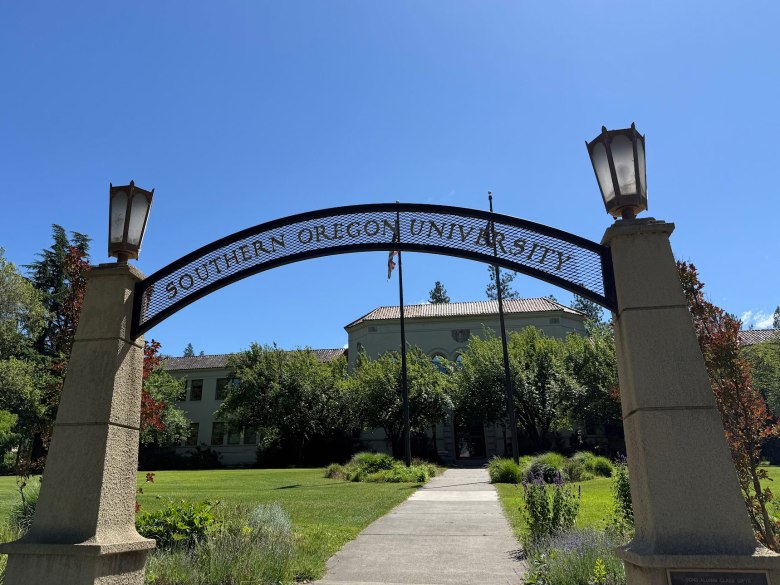
The $15 Million Budget Hole That Threatened a 150-Year Institution
In late January, Southern Oregon University discovered a $15 million budget hole, the result of an ineffective budgeting strategy and computer problems during a transition between financial software systems. President Richard J. Bailey, who assumed leadership in 2022, acknowledged he hadn't adequately reviewed all budget components, such as athletics and housing, beyond the primary education and general fund. This oversight left the university unable to cover payroll or electric bills by February 2027 without external aid. SOU's situation is unusual: while private colleges have closed nationwide, this 150-year-old public university in Ashland, Oregon, is among the first regionals to risk shutting its doors. Ben Cannon of the state's Higher Education Coordinating Commission noted that closure remained a looming possibility despite being 'practically unthinkable' for an institution so vital to its community.
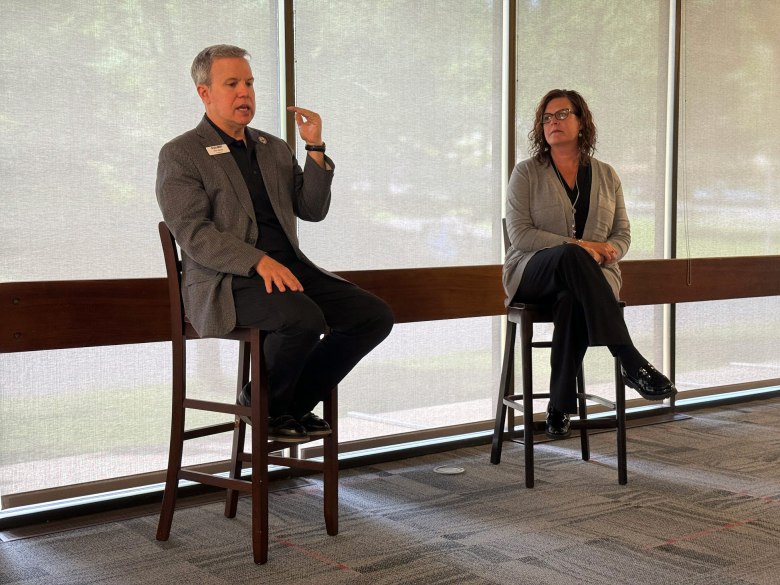
State Rescue: $15 Million Emergency Funding with Strings Attached
The Oregon legislature stepped in with $15 million in emergency funding for Southern Oregon University, but mandated that leaders achieve a balanced budget. This required eliminating $20 million from an approximately $100 million annual budget. Under the deal, SOU is obligated to file monthly financial reports and quarterly cash flow projections with the state. Ben Cannon, executive director of the Higher Education Coordinating Commission, stressed that no alternative existed: if the university failed to restructure, it would close. The rescue followed intense advocacy, including students chartering buses to the state capitol to lobby for support. The final cut plan involved sunsetting one major, eliminating 61 faculty and staff positions, increasing class sizes, and cutting more than $1.45 million from the athletic department. This infusion of state cash is specifically for operational solvency, not long-term fixes, and comes with strict oversight to ensure the institution does not require another bailout.
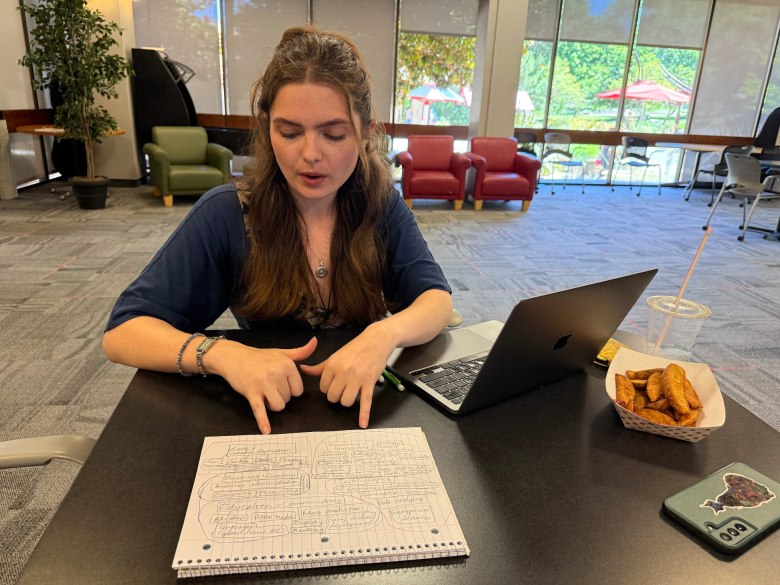
Academic Austerity: 212 Positions Cut and Nine Majors Eliminated
To meet the $20 million cut required by the state, Southern Oregon University unveiled a plan that sunsets the music industry and production major, eliminates 61 faculty and staff positions, increases class sizes, and slashes $1.45 million from athletics. This followed earlier reductions that removed eight majors, 11 minors, one graduate program, and 151 positions. Cumulatively, SOU has shed 212 full-time roles and nine majors over four years, including chemistry, Spanish, and international studies. The cuts have been disruptive; for instance, Ulysses McCready saw their intended political science major phased out and the music department threatened. These measures aim to stabilize finances but raise concerns about academic quality and workload for remaining staff, as professor Dennis Slattery warned that continuous cutting could lead to oblivion.

Student Backlash: From Transfer Plans to Activist Coalitions
The financial crisis has rattled students, prompting many to consider transferring. Ulysses McCready, a 26-year-old political science major, initially thought of leaving after seeing programs cut. First-year student Natalya Smith asked professors for transfer letters during winter term but reversed course after learning her criminology program was safe, joining the fight instead. Student body president Sophia Smith called the cuts a failure of leadership, stating it would be 'less cruel to close our doors entirely.' In response, students formed the Save SOU Coalition and even chartered a bus to the state capitol to lobby for funding. Tylar Penney, a sociology major, proposed merging disciplines to reduce costs, illustrating student-driven solutions amid the turmoil. The atmosphere of uncertainty and rumor led to students describing the campus as a 'dead man walking,' highlighting how the prolonged crisis became a direct source of academic stress and planning disruption.
Leadership Under Fire: Budget Oversights and Lost Trust
President Richard J. Bailey has faced criticism for financial oversights. He admitted focusing only on the education and general fund, which is two-thirds of the budget, while neglecting other areas like athletics and housing. A difficult transition between software systems further clouded financial data, leading to a lack of awareness until late January. Bailey accepted full responsibility, but trust has eroded. Professor Dennis Slattery surveyed the faculty senate and found not a wholesale lack of confidence but many questions about leadership. Board chair Sheila Clough acknowledged that the university has operated on a tight budget for at least eight years, suggesting the crisis was foreseeable. These accountability issues have fueled skepticism as SOU attempts to regain stability. The state's subsequent requirement for monthly financial reports underscores a breakdown in institutional stewardship and places SOU under a new level of direct external scrutiny during its recovery period.
Regional Lifeline: Why SOU's Survival Matters to Rural Oregon
Southern Oregon University serves as a critical lifeline for a largely rural region. Located in Ashland, a city of about 22,000 people near the California border, SOU is among the largest employers in the area. For many students from communities between the University of Oregon, Oregon Tech, and California State University Chico, it's the closest and most affordable four-year public option. Approximately 30% of students come from five northern California counties eligible for in-state tuition. Data from The Hechinger Report's College Financial Health Tracker show that between 2019 and 2024, SOU's revenue dropped 9% after inflation adjustment, compared to a 1% average decline at all public colleges, and enrollment fell 11% versus a 4% average. Oregon's state funding per student is only $9,672, about 80% of the national average of $12,082, exacerbating the financial strain.
Statewide Reckoning: A Push for Financial Transparency Across Oregon's Colleges
Southern Oregon University's crisis has spurred statewide action. State Representative Pam Marsh, an SOU alumna, sponsored a bill requiring a financial study of all Oregon public institutions. Marsh said preliminary recommendations from the study are due in the fall so that proposals can be considered for the 2027 legislative session. She noted that SOU's situation shifted focus from systemwide work to emergency stabilization. The university's credibility took a blow, and leaders must demonstrate improved financial management. This initiative aims to prevent similar crises elsewhere, but for now, SOU's future hinges on executing its Vitality plan and maintaining enrollment. The outcome will influence how Oregon approaches higher education funding and oversight in the years ahead. The study's goal is to move from reacting to a single institution's emergency to proactively assessing the financial health of every public college, with the aim of building systemic safeguards into future state policy.