8 Ways a Proposed Federal Rule Could Reshape Education Research
A new OMB rule gives political appointees veto power over grants, threatens to squelch DEI studies, and collides with Title I—scientists are pushing back.
By Brainova
Political Appointees Get a Veto Over Every Grant
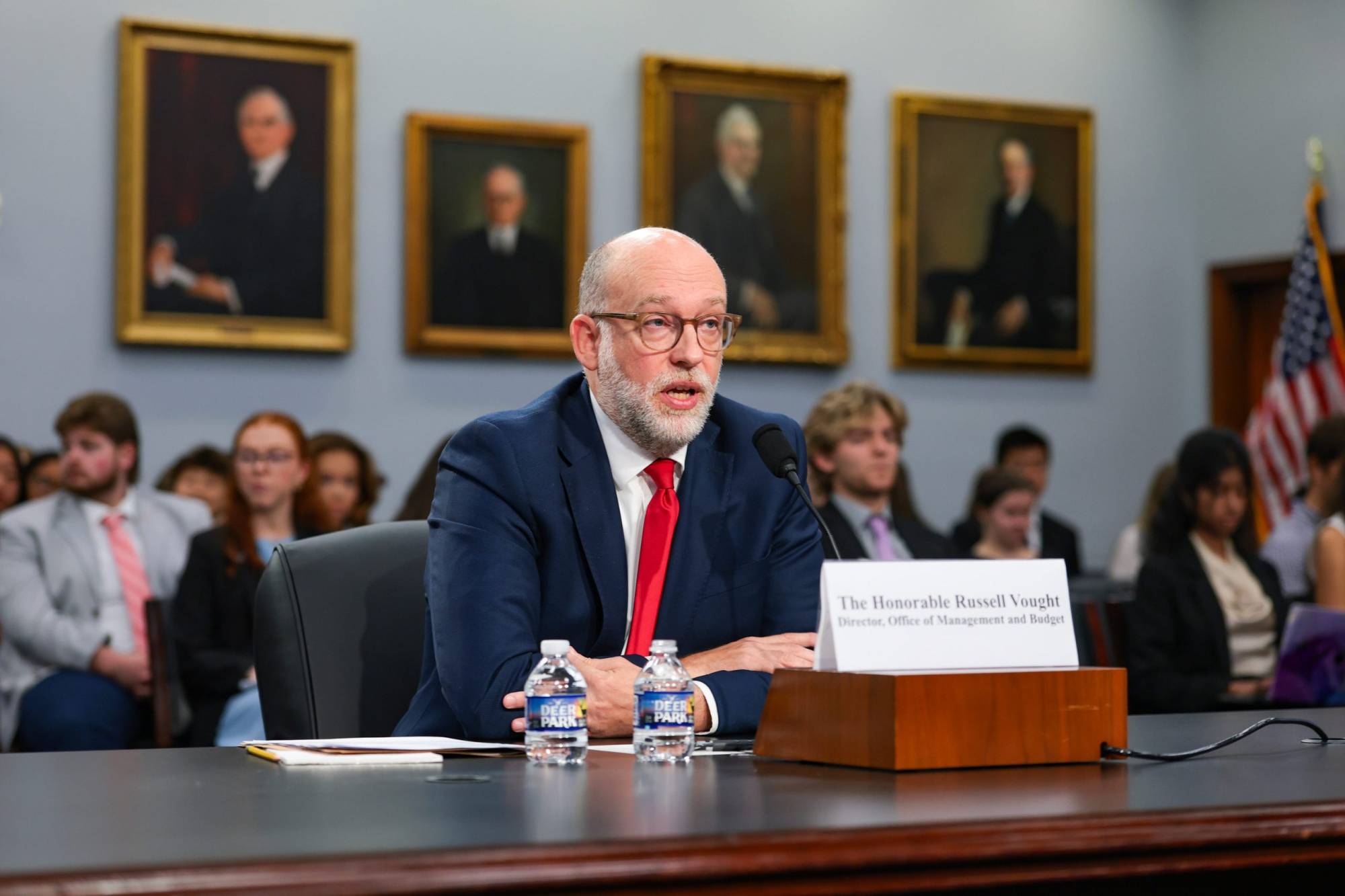
The Office of Management and Budget’s proposed overhaul of federal grant rules, issued May 29, would add a new layer of review by political appointees before any grant is issued, including those from the Department of Education and the National Science Foundation. The rule runs 100 pages and also asks agencies to weigh alignment with federal priorities and an undefined “national interest.” The American Educational Research Association argues this arrangement undercuts the independent scientific review where subject experts judge proposals on quality, rigor and feasibility. OMB says the changes strengthen accountability, transparency and oversight of taxpayer-funded grants, and wants the final rule in effect by Oct. 1. Researchers see a direct threat: funding decisions would shift with each administration, making long-term, politically sensitive studies harder to propose or fund. That, they warn, is exactly the kind of uncertainty that stops researchers from pursuing long-term questions in the first place.

A Vague DEI Ban Could Squelch Achievement-Gap Studies
A separate provision would bar federal funds for research tied to what the administration calls “unlawful diversity, equity and inclusion” activities and restrict funding for “disparate impact studies,” which analyze whether supposedly neutral policies produce different results for different groups. The National Academy of Education, in a letter joined by 19 other education and science organizations, warned that the language could ban studies on racial or ethnic achievement gaps, reading interventions that work differently for English language learners, discipline policies that fall more heavily on students of color, and gifted programs that under-identify students with disabilities. These are central empirical questions, the group wrote, not fringe ones. Because the rule does not define “unlawful” or list what counts as a prohibited disparate impact study, researchers fear it will chill proposals even if the government never formally rejects them. The uncertainty alone could steer scholars away from politically sensitive topics.
Title I’s $17 Billion Mandate Could Collide With the Rule
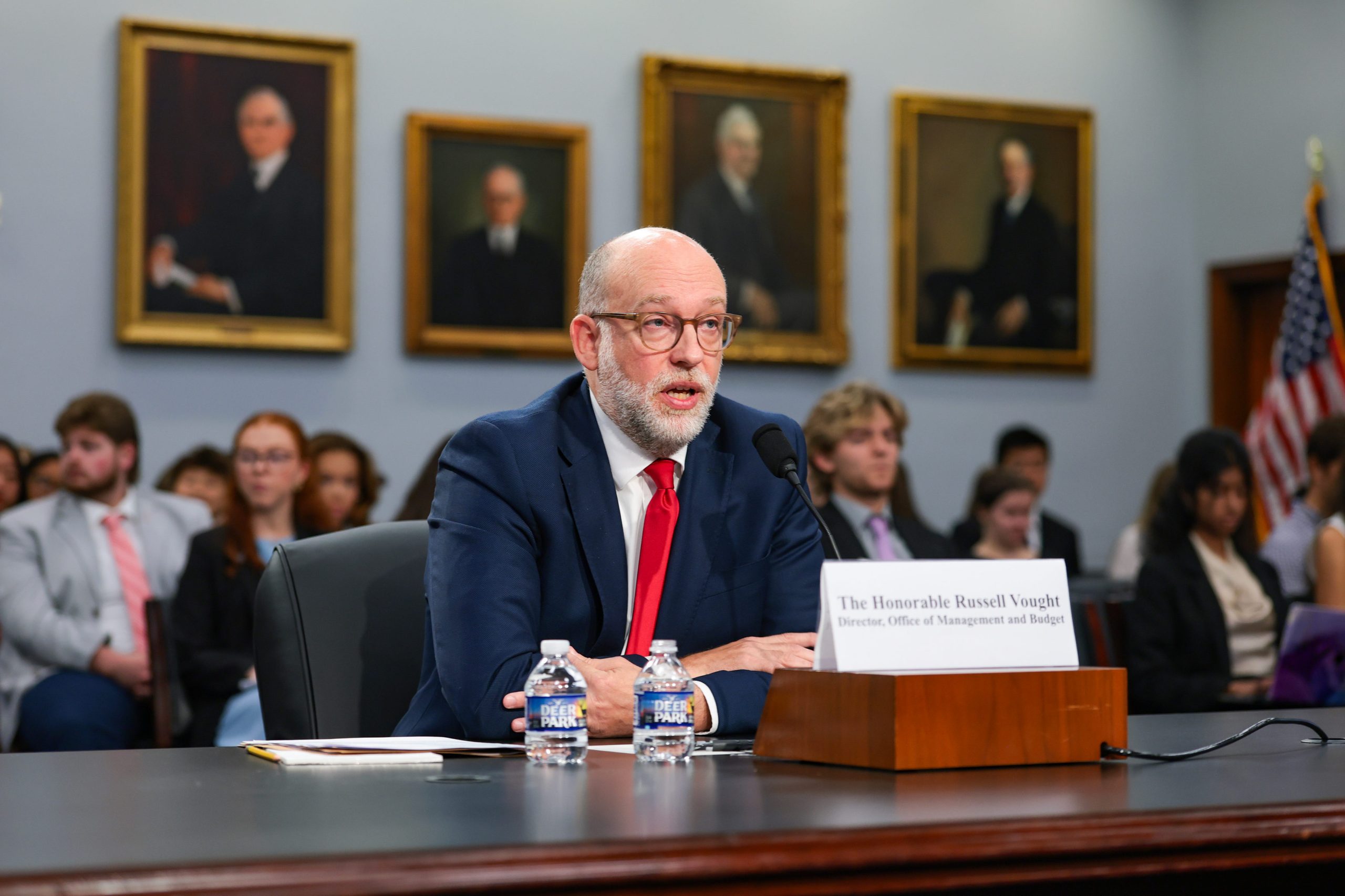
The proposed rule would collide with existing federal law. Title I, the roughly $17 billion program that steers money to high-poverty schools, requires states and districts to analyze student outcomes by race, disability status, income and English learner status so they can identify and support struggling groups. Those mandated analyses are exactly the kind of disparate impact work the new rule would restrict. Researchers argue the rule doesn't explicitly ban all demographic breakdowns, but its vague language around DEI and disparate impact creates enough uncertainty that districts and researchers may avoid required analyses or curtail studies they fear could be flagged. The letter from 20 education organizations points out that Title I's own statutory obligation depends on data that the proposed rule could effectively suppress. That tension means schools could face a choice between federal law and the new grant conditions, though the rule is silent on how to resolve it.
‘Gold Standard Science’ Could Crowd Out Other Methods
The push for “gold standard science” in the OMB proposal worries researchers because the phrase is undefined. Education research is not like testing a new drug: it frequently uses surveys, interviews, and statistical methods that approximate a randomized experiment without randomly assigning students to a program or instructional style. A strict preference for randomized controlled trials could exclude much of the evidence that has shaped classroom practice, including the quasi-experimental studies that supported the science of reading. The National Academy of Education's letter warns that an undefined methodological orthodoxy would favor certain kinds of questions and silence others. Researchers are not objecting to rigorous methods, they say, but to a standard that would judge education research by criteria developed for clinical medicine, ignoring the practical constraints of studying schools, teachers, and students in real classrooms.
Overhead Costs and Conference Funding Cuts
The proposal tilts funding toward proposals with low overhead costs, which disadvantages large research universities that carry the infrastructure—labs, data centers, compliance offices—needed to run big studies. It would cut federal funding for conference attendance and publication costs unless specifically approved, and would require written justification for each request. Education research groups argue these changes add administrative burden and make it harder for scholars to share findings and build on prior work. The Knowledge Alliance noted that conferences and publications are where researchers meet collaborators, learn new methods, and disseminate results; cutting them would slow the field's progress. Large institutions, with their higher indirect cost rates, would find it harder to compete, likely shifting funding toward smaller, leaner operations that may lack the capacity for long-term or multi-site research.
The Science of Reading Shows Why Long-Term Funding Matters
The science of reading movement, which has reshaped classroom instruction in recent years, was built over decades through federally supported research spanning cognitive science, neuroscience, psychology, linguistics and classroom studies. That point appears in the Knowledge Alliance's letter, signed by president Rachel Dinkes, as a warning against the OMB proposal's emphasis on research that yields immediate results or breakthrough innovations. Dinkes wrote that researchers would be less likely to pursue important long-term questions critical to creating the foundational knowledge needed for scientific breakthroughs. The science of reading reflects an accumulation of evidence over many years and across multiple administrations, she wrote, and it has been pivotal to improving student outcomes. The rule's preference for quick wins could starve the next such movement before it starts.
International Research Partnerships at Risk
Broad limits on foreign collaborations drew objections because they could affect U.S. participation in international assessments such as PISA and TIMSS, which compare American student performance with that of other countries. These studies are run through cross-border partnerships, and researchers argued that restricting those relationships would undermine the data that policymakers use to benchmark U.S. schools. The National Academy of Education's letter notes that international research is also a two-way street: American scholars learn from others, and foreign researchers contribute to U.S. studies. A rule that treats all foreign collaboration as a security risk would cut off that exchange and make it harder to understand how U.S. students stack up globally. The concern is not hypothetical, because these assessments depend on ongoing agreements with international consortiums that the new rule could jeopardize.
Academic Unions Move Into Partisan Politics
The political battle over research funding is pushing academic organizations into electoral politics. The American Association of University Professors made its first-ever political endorsement last week, backing Abdul El-Sayed, a candidate in Michigan's Democratic U.S. Senate primary. A poll of the AAUP's Michigan members found about 80 percent supported the endorsement and 97 percent favored El-Sayed. In a release, the AAUP called him a fierce champion of debt-free and tuition-free higher education and said he would defend faculty and students against the Trump administration's ideological assault. Earlier in July, the AAUP released a report accusing state politicians and federal officials of 'extorting' colleges by withholding billions of dollars in research funding to compel governance and ideological changes. That report, combined with the endorsement, signals that academic unions are moving from the sidelines into partisan politics as federal grant rules tighten.