Do AI Tutors Beat Human Teachers? The Evidence Says No — Here’s What Works
Research on Alpha School and other AI tutors shows no clear advantage over human teachers, but pairing AI with human support shows real gains.
By Brainova
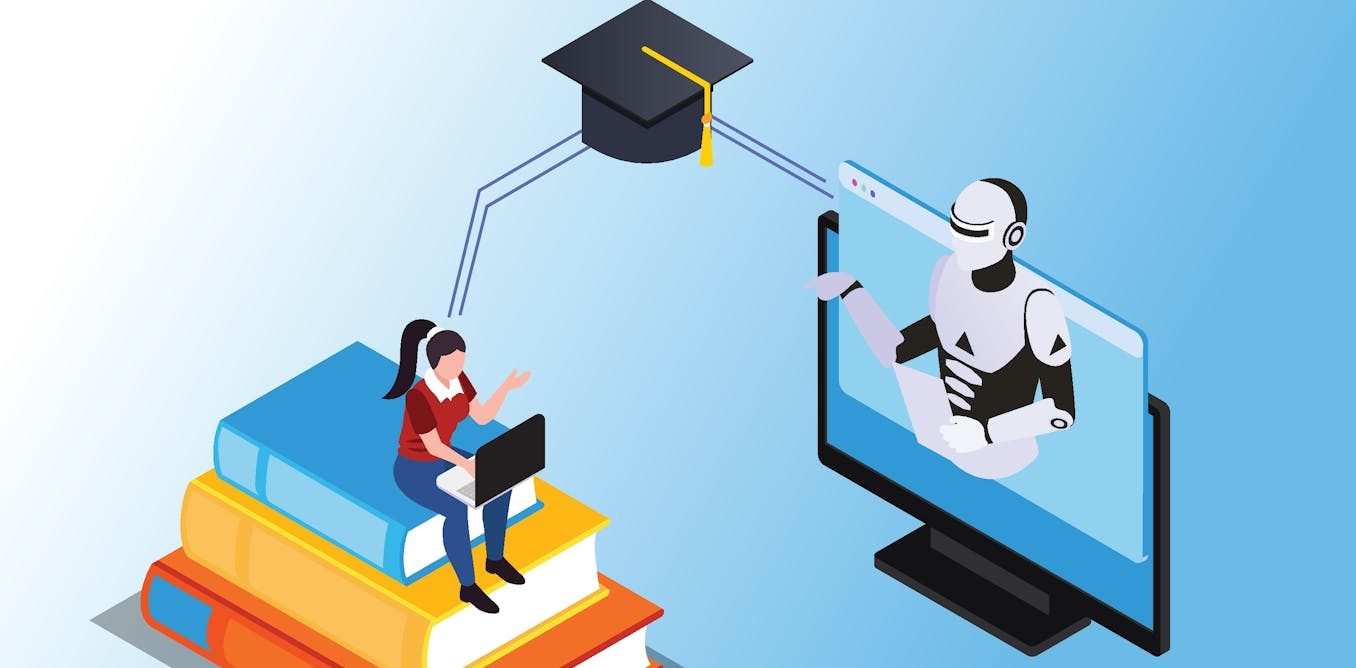
Are AI tutors actually better than human teachers?
No, there is no clear evidence that AI or computer-based tutors outperform human tutors. A major 2020 review from the National Bureau of Economic Research showed consistent learning gains from human tutoring across ages and subjects, provided the tutoring is regular, long-term, and integrated with the curriculum. Extensive analysis of computer-assisted instruction, which dates to the 1970s, found no significant difference in learning between computer tutors and human tutors. A widely cited 2025 Harvard study compared an AI tutor built by the course professors to active in-class instruction; students using the AI said they learned faster and felt more motivated, but those students already had strong study skills, and the AI was designed by the same instructors. That’s not a fair comparison to everyday teaching. Human tutoring works best when tutors meet students consistently, are skilled, and build rapport — something AI doesn’t offer. AI might be cheaper, but that doesn’t make it superior. The evidence so far suggests AI tutoring is useful, but not a replacement.
How does Alpha School’s AI-based classroom model work?
Alpha School, co-founded by MacKenzie Price, started with one campus in Austin, Texas, and has grown to more than 15 schools across the U.S., including New York and San Francisco. It replaces traditional in-person instruction for K-12 students with a two-hour daily AI tutoring block for reading, math and other subjects. The rest of the day includes in-person workshops in public speaking, entrepreneurship, art and physical education, led by staff called “coaches” or “guides” who are not necessarily licensed teachers. Tuition ranges from $40,000 to $75,000 per year. Price has said she was frustrated with the one-size-fits-all model where students learn at different speeds. The school also joins other AI-centric private options like Unbound Academy and Khan Lab School, which are part of a growing market for parents who can afford these fees.
What does the evidence on AI tutoring effectiveness actually show?
A 2026 study from the Brookings Institution found that AI improves computer-assisted tutoring by allowing students to interact in everyday language and by modifying sessions based on progress and challenges. Across subjects and grade levels, students using AI tutoring showed significant positive gains in achievement. These systems have been around since the 1970s, but they are improving. However, earlier analyses found no significant difference between computer tutors and human tutors when compared directly. The 2026 Brookings study itself frames AI as an enhancement to computer-assisted tutoring, not a replacement for human instruction. The pattern that emerges is that AI tutoring works as a supplement — raising achievement when added to regular schooling — but the evidence does not show it outperforming a skilled human tutor on its own.
Can AI tutors replace human teachers entirely?
Bill Gates has guessed AI will replace many teachers within the next decade, and Khan Academy founder Sal Khan argues AI could give every student a responsive individual tutor. But the research on effective human tutoring shows why that’s unlikely. Tutors need to meet consistently, be skilled, integrate with the curriculum, and build relationships that keep students motivated. Isabelle Hau, executive director of the Stanford Accelerator for Learning, says young students need “relational intelligence” to flourish in social settings. AI cannot offer that human rapport. So while AI can take over some instructional tasks, the social and motivational components of teaching remain stubbornly human. When experienced teachers use AI drafts for lesson plans, they tend to critically revise the content to better link it to the overall curriculum.
Does AI tutoring work in low-income schools?
Yes. In middle schools in low-income areas, student improvement occurred when human tutors had access to AI tutoring support. AI didn’t replace the tutors; it assisted them. That matches the National Bureau of Economic Research’s 2020 review showing human tutoring alone yields consistent gains. AI can reduce the cost of tutoring, which is often cited as a benefit. So in low-income schools, the effective model is AI as a helper to human instructors, not a substitute. The combination of human tutors with AI support brought the improvements. While AI tutoring might be cheaper in many cases, here the gains depended on keeping the human element. This suggests that AI’s role is to make human tutoring more efficient and scalable, not to eliminate the human element.
How should teachers integrate AI into their instruction?
Schools should invest in professional development so teachers can make the most of AI. This means training on how to pair AI with tutoring sessions, how to interpret AI feedback, and how to keep relationship-building central. Teachers must ensure AI output aligns with the curriculum, using their judgment to refine it. They might use AI to generate lesson plans or practice exercises, then review and adapt them for their specific students. Professional development should also help teachers decide when to rely on AI and when to step in with direct human interaction. For example, AI can handle routine drills, but teachers are needed to provide context, encouragement, and emotional support. By giving teachers the skills to critically evaluate AI-generated content, schools can make AI a useful tool that fits into their teaching practice.
Keep reading

EdTech & Schools
No Laptop, No Problem: Online High Schools That Loan the Hardware
From Ohio Digital Learning School's mandatory return-it laptop policy to My Virtual Academy's age-22 device option, virtual schools are putting computers in students' hands as part of tuition-free enrollment.