Mia's Stand: A Texas Librarian's TikTok Defense of Banned Books Week
A middle school librarian refused a principal's order to remove her Banned Books Week display, and her enraged TikTok video has been viewed over a million times.
By Brainova
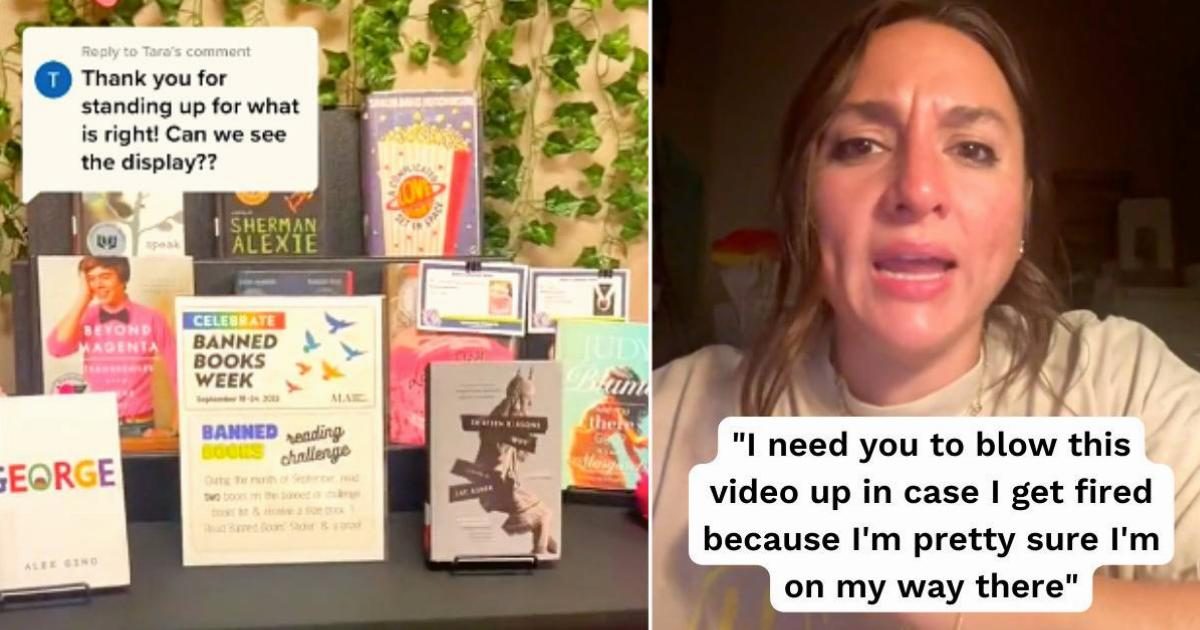
The Video That Went Viral
On the day before school started, a Texas librarian named Mia received a warning from her principal. An anonymous parent had called to complain about her library's Banned Books Week display. The principal told her to take it down, framing the order as a courtesy so she wouldn't be blindsided. Mia's response was not what he expected. She refused. She filmed a TikTok video explaining the confrontation, bluntly asking viewers to let it "blow up in case she gets fired." The video now has over one million views. In it, she is matter-of-fact about the situation, laying out the timeline and the demand, and her frustration is palpable. She was not just upset, she told the principal; she was enraged, because the books in question feature marginalized people. The video struck a nerve, with comments flooding in, including one from a principal who wrote that they wished they could afford to hire her because "this is what our children need."
700 Students, Not One Parent
Mia’s refusal was based on a simple calculation of her constituency. She told her principal that she serves over 700 students, not just one. The display, she argued, was a standard part of her professional practice, aligned with the ALA standards that every secondary school library in her district follows. The principal pushed back, urging her to keep things "academic." Mia countered by pointing to the other ten displays in her library—such as one on superheroes—that were also not strictly academic, questioning why only the Banned Books Week display was being targeted. She emphasized that there is a process for parental complaints about specific books. A parent must first speak with her, as the librarian is the most knowledgeable authority on the collection. She refused to bypass that due process, calling the principal's request censorship of materials. The principal, who admitted he hadn't noticed the display until the complaint, was trying to appease the parent due to past issues at the school.
What the Display Actually Contains
The display at the center of the controversy featured a range of books that have been challenged or banned in schools across the country. The list includes popular titles like Twilight, The Hunger Games, and Bridge to Terabithia. The reasons for these challenges are varied and often surprising to people unfamiliar with book censorship. Some books were challenged for perceived themes of satanism or occultism, as in the case of Twilight. Others, like The Hunger Games, faced criticism for violence and profanity. Bridge to Terabithia has been challenged for a host of reasons, including promoting secular humanism and dealing with death. The display also included books that push LGBTQIA+ voices, as well as titles challenged for promoting anti-police sentiments or drug use. Mia’s point is that the display is not about forcing books on students, but about providing information and awareness about subjects they might not have regular access to. If a student doesn't want to read a book, that's fine.
The Conflict Between Policy and Pressure
Mia’s video highlights the pressure principals face from a small but vocal group of parents. The principal's argument was not that the display was wrong, but that he needed to appease a parent who complained. He told Mia she was a hard worker and cared for kids, but still asked her to comply. This put the two at an impasse. Mia held her ground, stating she would not take the display down until the proper process was followed. In a follow-up video, she explained that the principal then agreed to contact the parent himself to discuss the complaint. This shift is significant: it acknowledges that a single complaint doesn't override established procedures. The fight is often between a school's administrative impulse to avoid conflict and a professional standard that prioritizes intellectual freedom. The parent never had to speak to Mia directly, and the complaint was based on the display as a whole, not a specific book, which made the demand to remove everything an act of banning.